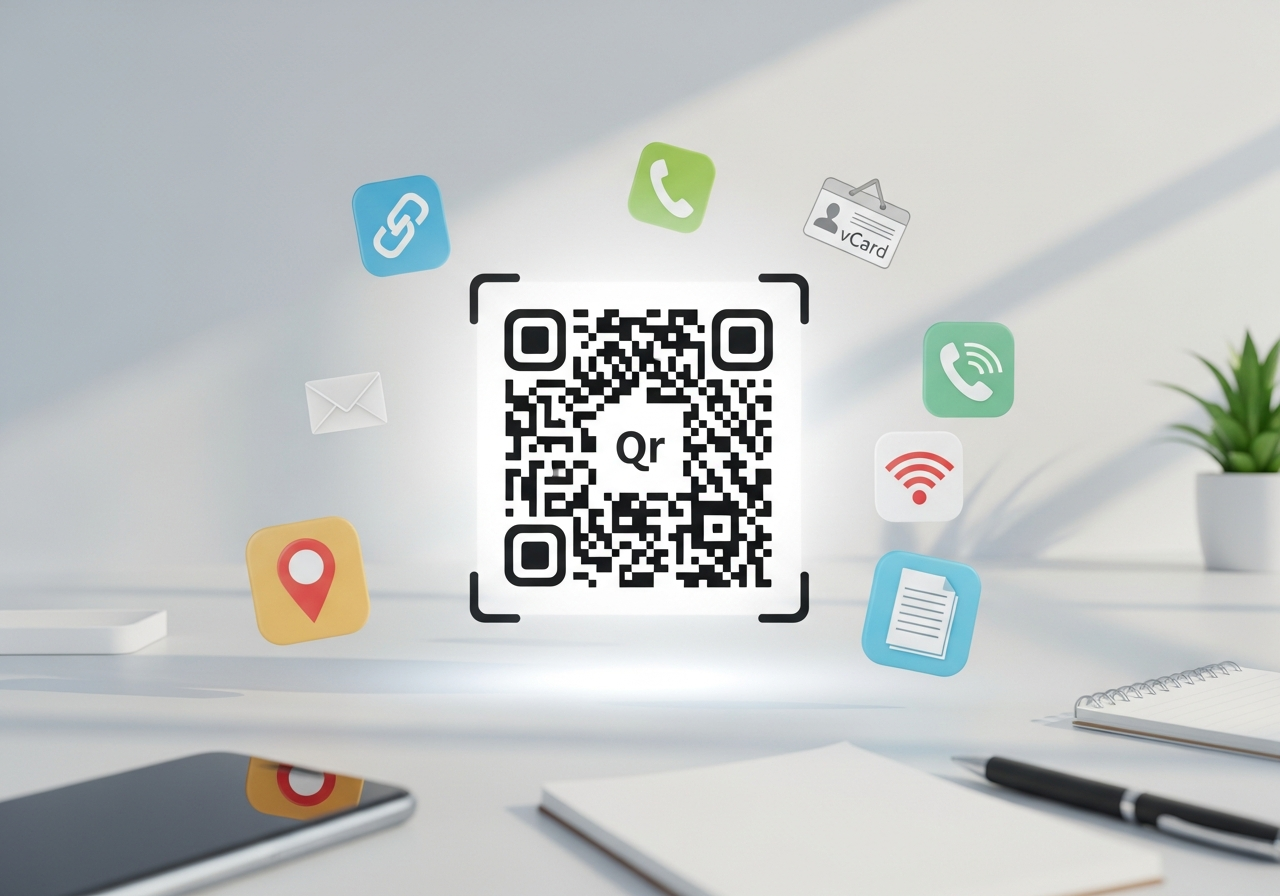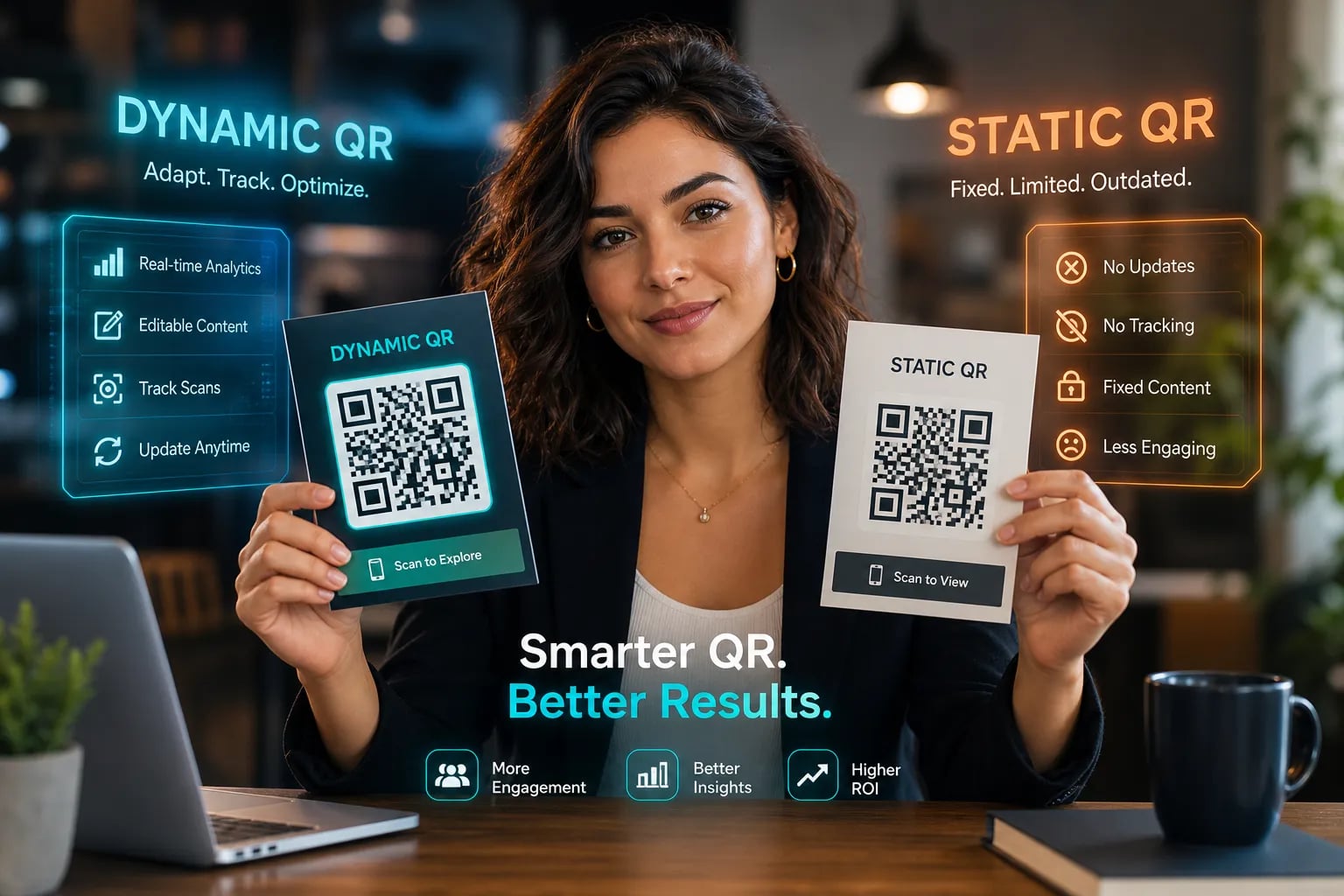

You see them everywhere these days, don’t you? On posters, menus, even on your favourite cereal box. QR codes have become a massive part of how we interact with the world around us, bridging the gap between the physical and digital. But have you ever stopped to wonder just how many different QR codes are actually possible? It sounds like a simple question, but the answer is a bit more complex than you might think, involving a mix of technical details and practical considerations.
Key Takeaways
- The number of possible QR codes is enormous, theoretically in the quadrillions, depending on version and data capacity.
- Practical limitations, like the physical size and scannability of a QR code, mean not all theoretical combinations are usable.
- Error correction levels play a role, allowing codes to be scanned even if partially damaged, but also affect the total data capacity.
- The version and size of a QR code dictate how much information it can hold, influencing the potential number of unique codes.
- Real-world use often involves dynamic QR codes, where the destination can be changed without reprinting, focusing on usability over sheer theoretical combinations.
Understanding The Building Blocks Of QR Codes
QR codes might seem like simple black and white squares, but they’re actually quite clever. They’re a way to store information visually, like a super-compact barcode that can hold much more data. Think of them as tiny digital messengers, ready to be read by your phone’s camera.
The Anatomy Of A QR Code
At first glance, a QR code is just a grid of small squares, or ‘modules’. But there’s a specific structure to it. You’ll notice three larger squares in the corners – these are called finder patterns. They’re like beacons, telling the scanner where the code is and how it’s oriented. Without them, the scanner wouldn’t know how to read the information. Smaller codes might have fewer, but larger ones often include alignment patterns too, which help correct any distortion if the code is printed at an angle or on a curved surface. The rest of the squares are the actual data modules, carrying the information you want to share.
- Finder Patterns: Three large squares in the corners for orientation.
- Alignment Patterns: Smaller squares (in larger codes) to correct distortion.
- Data Modules: The main grid of squares that holds the information.
How Data Is Encoded
So, how does all that information get packed into those little squares? It’s all about patterns of black and white. Each module represents a bit of data. The scanner reads the pattern of these modules, and software translates it back into the original information, whether that’s a website address, some text, or contact details. The more data you need to store, the larger the QR code needs to be, as it requires more modules to represent it. This is why you sometimes see very large QR codes on signs or packaging – they’re just holding a lot more information.
The way data is encoded is quite ingenious, allowing for a significant amount of information to be stored in a small physical space. It’s a visual language that machines can understand instantly.
The Role Of Error Correction
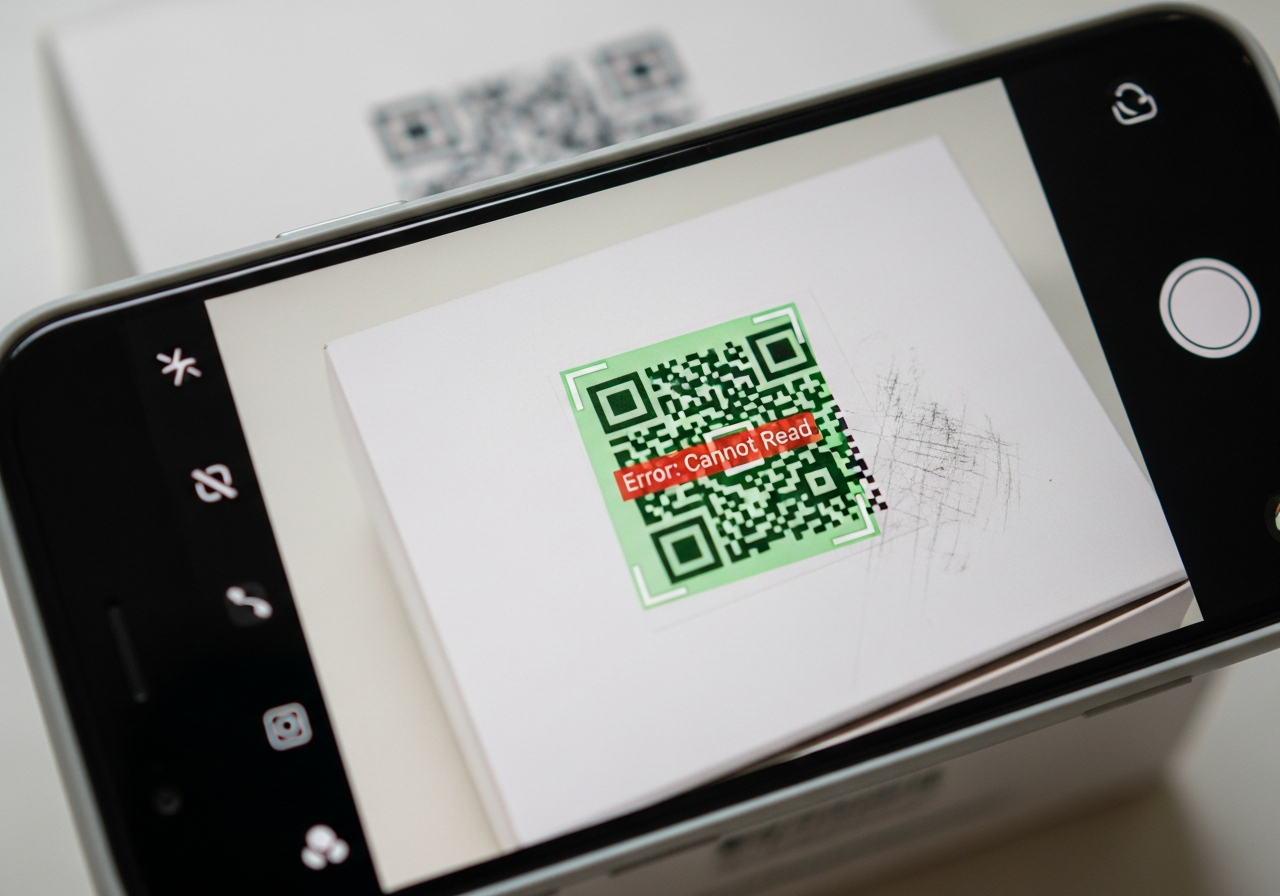
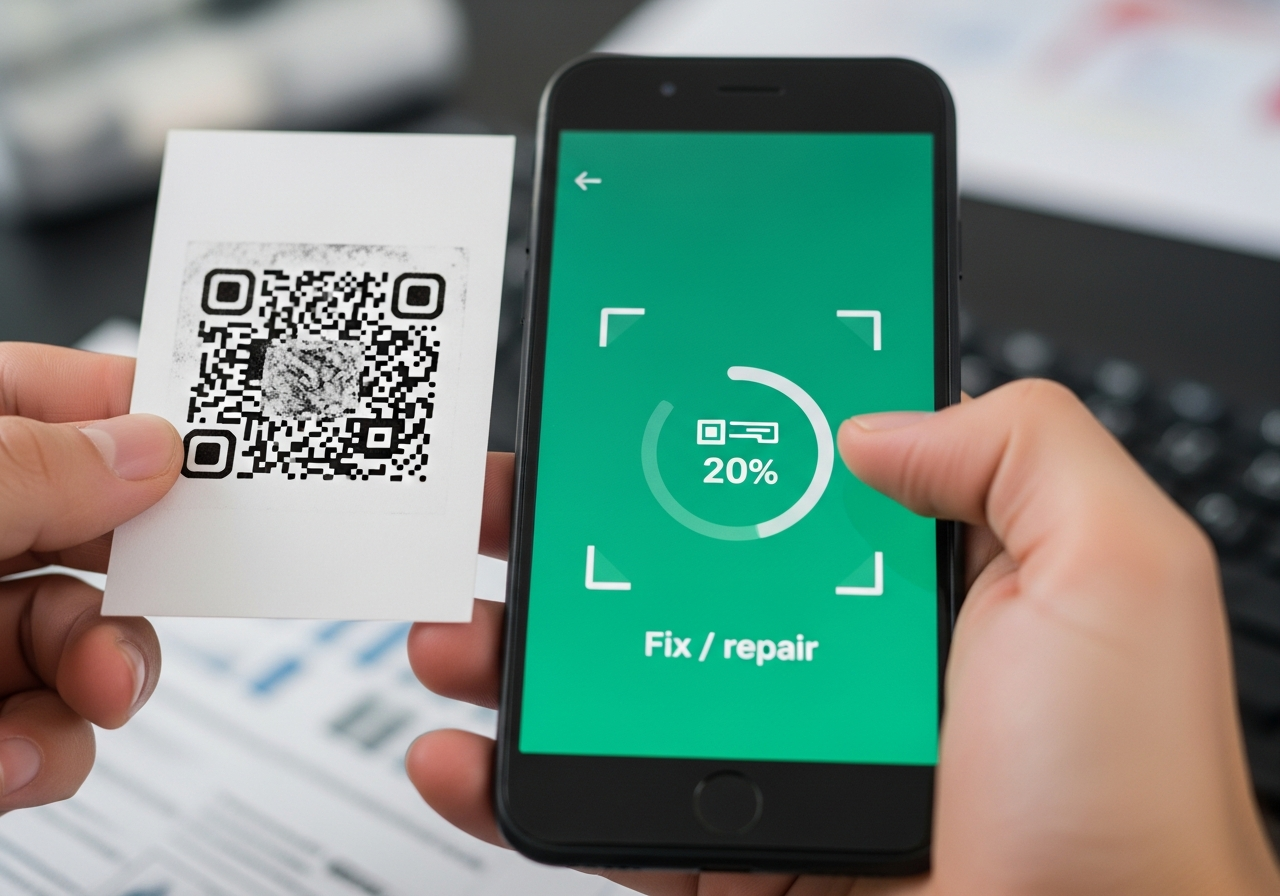
One of the most impressive things about QR codes is their ability to withstand damage. This is thanks to error correction. Even if a part of the code is scratched, dirty, or even covered by a logo, it can often still be scanned successfully. This is because extra data is embedded within the code that allows the scanner to reconstruct the missing information. There are different levels of error correction, with higher levels providing more resilience but also requiring more modules, thus making the code larger. For everyday use, the built-in error correction is usually more than enough to keep things working smoothly. This is where services like Xcan.it really shine; they allow you to create dynamic QR codes that can be updated without reprinting, meaning if a link needs changing, you don’t have to worry about the physical code being damaged or outdated. You can also track scans in one dashboard, giving you a clear view of how your campaigns are performing across print, signage, and assets.
dynamic QR codes are a game-changer here, offering flexibility that static codes just can’t match.
Decoding The Possibilities: How Many QR Codes Can Exist?
It’s easy to get lost in the sheer number of potential QR codes. When you think about it, each QR code is essentially a grid of black and white squares, and the arrangement of these squares dictates the data it holds. So, how many unique arrangements are actually possible?
The Theoretical Maximum
At its core, a QR code’s capacity is determined by its version and the amount of data it needs to store. The largest QR code version, Version 40, can hold a significant amount of information. For instance, it can store up to 7,089 numeric characters or 4,296 alphanumeric characters. This vast capacity, combined with the binary nature of the code (each module is either black or white), leads to an astronomically large theoretical number of combinations. If we consider just the data modules, the number of possible patterns quickly runs into the trillions upon trillions, far exceeding the number of atoms in the observable universe. The theoretical maximum number of unique QR codes is so immense it’s practically immeasurable for everyday purposes.
Practical Limitations In Generation
While the theoretical possibilities are mind-boggling, the reality of generating and using QR codes is much more constrained. Not every possible pattern is a valid QR code. The structure of a QR code includes specific elements like finder patterns, alignment patterns, and timing patterns, which are essential for scanners to read the code correctly. These fixed elements reduce the number of truly usable combinations. Furthermore, practical limitations come into play when we consider the actual data we want to encode. Most QR codes are used for simple tasks like linking to a website, and the amount of data required for this is relatively small. This means we’re typically using much smaller QR code versions, which have a significantly lower data capacity and, therefore, fewer possible combinations than the largest versions.
The Impact Of Version And Error Correction
The version of a QR code directly impacts its size and data capacity. Smaller versions (like Version 1) are simpler and can hold less data, leading to fewer possible combinations. Larger versions (like Version 40) can hold much more, increasing the potential number of unique codes. Error correction is another key factor. QR codes have different levels of error correction (L, M, Q, H), which allow them to be scanned even if partially damaged or obscured. Higher error correction levels use more data modules for redundancy, which in turn reduces the space available for actual data and thus limits the number of unique codes that can be generated for a given version. For example, a Version 40 code with low error correction can hold more data than the same version with high error correction. This interplay between version and error correction means that while the theoretical number is vast, the practical number of useful and distinct QR codes we encounter is far more manageable, especially when considering the data typically encoded. For practical applications, platforms like Xcan.it allow you to manage these dynamic codes, letting you update links without reprinting, track scans in one dashboard, and improve real-world campaigns across print, signage, and assets.
Factors Influencing QR Code Uniqueness
It might seem like every QR code is just a jumble of black and white squares, but there’s a lot that goes into making each one distinct and functional. Several key elements play a role in how many unique QR codes can actually be generated and, more importantly, how well they work in the real world.
Data Capacity and Complexity
The amount of information you need to store directly impacts the QR code’s complexity. More data means more "modules" – those little squares – which can make the code denser. A denser code can be harder to scan, especially at smaller sizes or from a distance. This is why keeping the data light is often recommended. Using short URLs or, even better, dynamic QR codes is a smart move. With a service like Xcan.it, you can use a short, managed URL. This means the printed QR code itself remains simple and easy to scan, while you can update the actual destination link later without needing to reprint anything. This is a game-changer for campaigns and printed materials that might need updating.
Version and Size Variations
QR codes come in different "versions," which essentially dictate their size and data capacity. Version 1 is the smallest, while Version 40 is the largest. As you increase the version, you increase the number of modules, allowing for more data storage. However, a larger version also means a physically larger QR code is needed to maintain scannability. Scaling up generally improves reliability, but scaling down too far can make even a simple code unreadable. It’s always better to err on the side of slightly bigger if you’re unsure, especially for customer-facing applications. A code that’s too small is a common reason for failed scans.
Encoding Modes and Their Impact
QR codes can use different encoding modes to store data, such as numeric, alphanumeric, byte, and Kanji. The mode you choose affects how efficiently data is stored. For instance, numeric mode is highly efficient for numbers, while byte mode is best for general binary data. While this is more about how data is packed in, it indirectly influences the final pattern. More importantly, the overall density and complexity of the pattern, regardless of the mode, are critical. A well-designed QR code balances data storage with scannability, often by using dynamic links to keep the printed code simple.
When generating QR codes, especially in high volumes for things like asset tracking or unique product labels, it’s not just about the number of codes. It’s about having a system that can manage them, update them, and track their performance. Platforms like Xcan.it allow you to update QR code links without reprinting, track scans in one dashboard, and use dynamic QR codes to improve real-world campaigns across print, signage, and assets. This moves QR codes from a static print job to a dynamic, measurable marketing and operational channel.
Beyond The Numbers: Real-World QR Code Applications
QR codes have moved far beyond simply linking to a website. They’re now a practical tool businesses use daily to streamline operations and connect with people in fresh ways. You see them everywhere, from product packaging to restaurant menus and even signage in parks. They’re quietly making our lives a bit easier and giving companies smarter ways to work.
Dynamic Vs. Static Codes
Remember when a QR code just took you to a company’s homepage? That was the basic version. Now, they can do so much more. The real game-changer is the rise of dynamic QR codes. Unlike static codes that are fixed once printed, dynamic codes can be updated. This means a single printed code can lead to different places or information over time. Imagine a poster for a seasonal event; the QR code can be updated to reflect new details or even a different event entirely, all without needing to reprint anything. This flexibility is invaluable for marketing and operations. Platforms like Xcan.it allow you to update QR code links without reprinting, which is a massive time and cost saver. You can track scans in one dashboard, giving you a clear view of campaign performance across print, signage, and assets.
High-Volume Generation For Business
For businesses, especially those with multiple locations or frequent campaign changes, generating QR codes in bulk is essential. It’s not just about speed; it unlocks significant operational capabilities. Think about attribution in the physical world – measuring which placements drive engagement across different branches or venues. Operational efficiency is also key; updating journeys without reprinting reduces wasted materials and staff time. This leads to a better customer experience with fewer dead links and clearer journeys. Plus, it allows for low-cost experimentation, like A/B testing different calls to action across various locations without lengthy redesign cycles. Xcan.it supports high-volume generation through CSV uploads or API provisioning, making it easy to manage thousands of codes.
The Importance Of Scannability
Even with all the possibilities, a QR code is useless if it can’t be scanned. Several factors influence scannability. Size matters – you need to balance the amount of data with a code that’s large enough to be read easily. Print quality is also vital; a blurry or low-contrast code will frustrate users. The environment where the code is placed plays a role too; direct sunlight or glare can make scanning difficult. It’s always best to test your QR codes across different devices and conditions to ensure universal access.
Dynamic QR codes offer a powerful way to keep your campaigns fresh and relevant. By allowing you to change the destination URL without reprinting, you save resources and ensure your physical marketing materials remain effective over time. This adaptability is key in today’s fast-paced environment.
Platforms like Xcan.it are built with these real-world applications in mind. They let you update QR code links without reprinting, track scans in one dashboard, and use dynamic QR codes to improve your campaigns across print, signage, and assets. This makes managing your QR code strategy much more effective and measurable. Learn more about dynamic QR codes.
Ensuring Your QR Codes Are Scannable
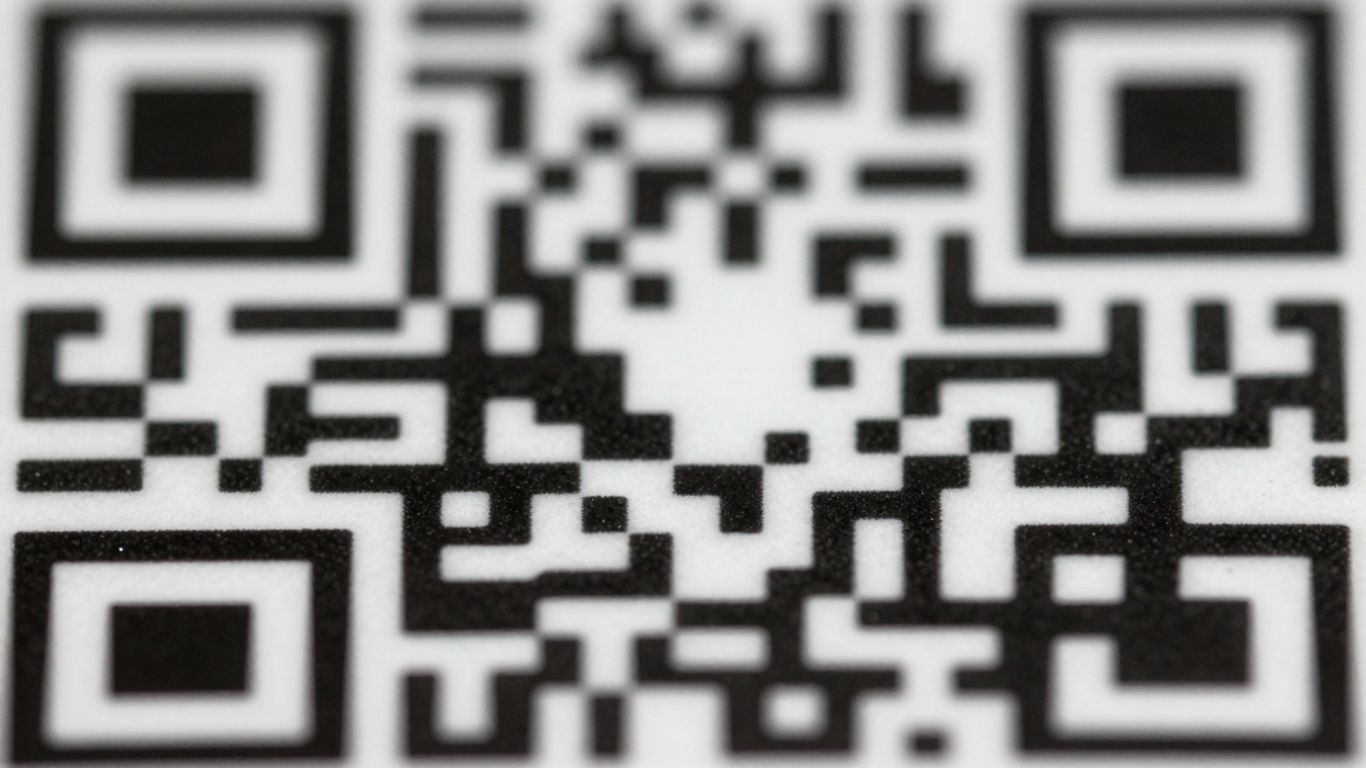
It’s one thing to generate a QR code, but quite another to make sure people can actually use it. A QR code that doesn’t scan is, frankly, useless. Several factors can trip up even the most well-intentioned code, turning a quick link into a frustrating dead end.
Size Matters: Balancing Data and Readability
One of the most common reasons QR codes fail is simply being too small. While technically a QR code can be quite tiny, in the real world, this often leads to problems. Think about where your QR code will be placed and how far away someone will be when they try to scan it. A general rule of thumb is the ’10x rule’: the width of the QR code should be at least one-tenth of the typical scanning distance. So, if people are likely to scan from an arm’s length (about 25-32 cm), a code around 2-3 cm wide is a good starting point. For posters or signs viewed from several metres away, the code needs to be significantly larger – perhaps 10-20 cm or more. Trying to cram too much data into a small code also makes the individual squares (modules) too tiny to be read, so using shorter URLs or dynamic QR codes is a smart move. This guide offers more on sizing.
Print Quality and Environment
Even a perfectly sized QR code can be rendered unreadable by poor printing. Blurry, pixelated, or low-resolution prints are a recipe for scan failure. Always export your QR codes in a high-resolution format, like SVG, PDF, or a high-DPI PNG. Avoid stretching or compressing the image in your design software. The surface you print on also matters. Glossy finishes can create glare that interferes with scanning, so matte finishes are often preferable. Similarly, placing codes where they might get scratched, folded, or dirty will impact their scannability. A clean, high-contrast design is paramount for reliable scanning. This means dark modules on a light background, with a clear border (the ‘quiet zone’) around the code. Contrast is key for cameras to distinguish the code from its surroundings.
Testing for Universal Access
Before you roll out your QR codes widely, testing is non-negotiable. Don’t just test it on your own high-end smartphone in perfect lighting. Try it on a range of devices – different brands, older models, and both iOS and Android. Test in various lighting conditions, including low light and bright sunlight, and from the expected scanning distances. If you’re using dynamic QR codes, which allow you to update the destination link without reprinting, this is where platforms like Xcan.it really shine. You can update links, track scans in a single dashboard, and ensure your campaigns remain effective even if the original link needs changing. This flexibility is invaluable for improving real-world campaigns across print, signage, and assets, ensuring your QR codes remain functional and relevant.
The Future Of QR Code Innovation

QR codes have come a long way from just being a simple link to a website. They’re now a dynamic tool that businesses are using in all sorts of creative ways. Think about it – a quick scan can now launch an augmented reality experience, provide detailed product information, or even offer exclusive content. It’s this ability to bridge the physical and digital worlds that makes them so exciting.
Advancements In Encoding Technology
The technology behind QR codes is constantly evolving. We’re seeing new ways to encode information that make them more efficient and capable. This means we can pack more data into smaller codes, or create codes that are more resilient to damage. It’s all about making them work better and be more useful in more situations. The trend is towards making them more interactive and integrated into our daily lives, moving beyond simple URLs to richer experiences [d438].
Integration With Emerging Tech
What’s really interesting is how QR codes are starting to play nicely with other new technologies. Imagine scanning a code that not only takes you to a webpage but also triggers an augmented reality overlay on your screen, showing you how a piece of furniture would look in your room. Or think about how they can be used with IoT devices to provide instant access to controls or information. This integration is opening up a whole new world of possibilities for how we interact with the world around us.
The Evolving Role In Digital Interaction
The real game-changer is the rise of dynamic QR codes. Unlike their static counterparts, which are fixed once printed, dynamic codes can be updated remotely. This means a single printed QR code can lead to different destinations or information over time, all without needing to reprint anything. Platforms like Xcan.it are at the forefront of this, allowing users to update QR code links without reprinting, track scans in a single dashboard, and use dynamic QR codes to improve real-world campaigns across print, signage, and assets. This flexibility is incredibly useful for marketing campaigns, event information, or even just updating product details on packaging. It’s a smarter, more sustainable way to manage your digital connections.
The ability to update QR codes on the fly means businesses can adapt their messaging and information instantly, reducing waste and improving customer experience. It’s about making physical touchpoints truly interactive and responsive.
The world of QR codes is always changing, bringing new and exciting ways to use them. Imagine QR codes that can be updated even after they’ve been printed, or codes that do more than just link to a website. These smart codes are becoming a big part of how we share information quickly and easily. Want to see how you can use these clever codes yourself? Visit our website to learn more and get started!
So, What's the Takeaway?
Ultimately, the sheer number of possible QR code combinations is mind-boggling, far more than we’ll ever need in practice. What’s more important is how we use them. Dynamic QR codes, the kind you can update without reprinting, are where the real magic happens. They bridge the gap between the physical and digital worlds, making things easier for businesses and consumers alike. Whether it’s on a poster, a product, or a menu, a well-used QR code offers a simple, effective way to connect and share information. It’s less about the theoretical limit and more about making smart, practical connections in our everyday lives.
Frequently Asked Questions
What exactly is a QR code?
Think of a QR code as a special type of barcode that computers and phones can read very quickly. It’s a square made up of smaller black and white squares, called modules. These modules store information, like a website address, text, or contact details, in a way that’s easy for devices to understand.
How many different QR codes can there be?
The number of possible QR codes is enormous, practically endless! It depends on the size of the QR code and how much information it can hold. Even a small QR code can store a huge amount of data, leading to billions upon billions of unique combinations. It’s more than enough for every single person and thing in the world to have their own special code.
Can a QR code be very small?
Yes, QR codes can be quite small, even as little as 1cm by 1cm if printed clearly and scanned up close with a good camera. However, for everyday use, it’s best to make them a bit bigger, around 2cm by 2cm, so they scan reliably, even if the lighting isn’t perfect or the phone camera isn’t the latest model.
What happens if I put too much information in a QR code?
If you try to pack too much information into a QR code, it needs more of those little black and white squares (modules) to store it all. This makes the code look more crowded and complex. If it gets too busy, it can become difficult for phones to read correctly, leading to scanning errors. It’s like trying to write a whole book on a tiny sticky note – it just won’t fit properly!
Why do some QR codes not work?
There are a few reasons why a QR code might fail to scan. It could be the print quality (is it blurry or smudged?), the contrast (is it dark enough on a light background?), the size (is it too small for the distance it’s being scanned from?), or even damage to the code itself. Sometimes, the phone’s camera or the lighting conditions can also cause problems.
What's the difference between a static and a dynamic QR code?
A static QR code is like a tattoo; once it’s created and printed, the information it holds is fixed forever. A dynamic QR code is more flexible. The code itself stays the same, but you can change where it leads (like updating a website link) without having to print a new code. This is super useful for businesses that need to update information regularly.